
IPTV Copyright Law Explained: Complete Guide 2026
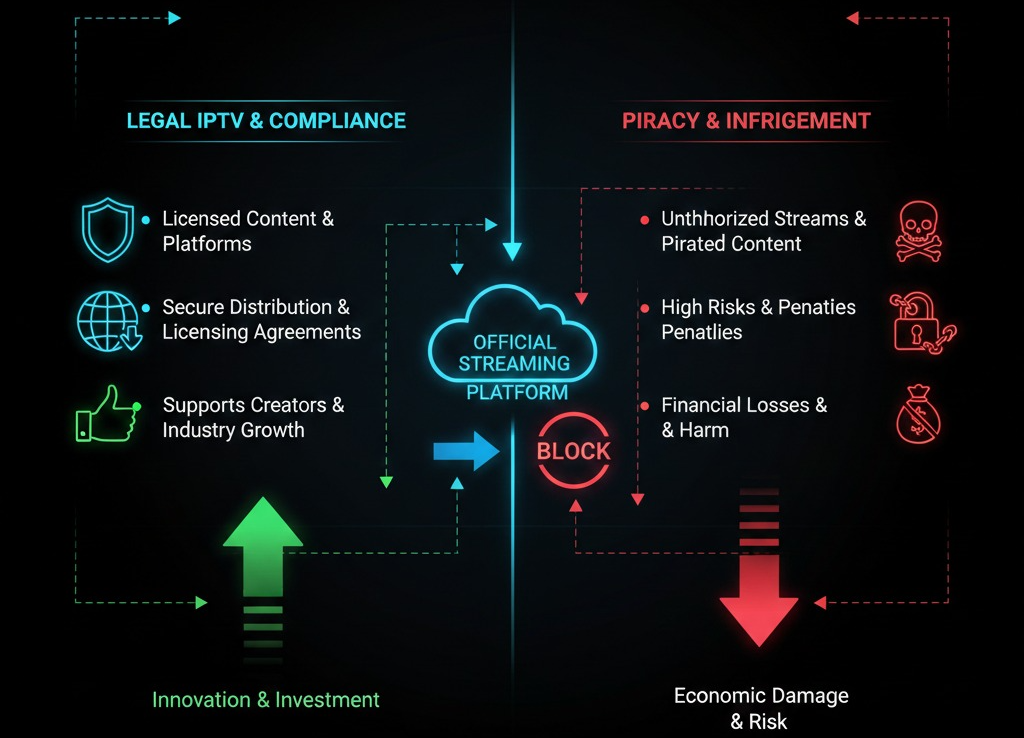
Learn IPTV copyright law, legal risks, streaming rules, penalties, and how to use IPTV safely while respecting copyright regulations worldwide.
Introduction
Internet television has dramatically changed how audiences consume entertainment. IPTV (Internet Protocol Television) allows viewers to stream live TV channels and on-demand content using internet connections instead of traditional broadcasting systems. While IPTV technology itself is legal, copyright issues surrounding IPTV services have become one of the most debated topics in digital media.
Many users do not clearly understand the difference between legal IPTV platforms and copyright infringement. Governments, broadcasters, and copyright holders worldwide are increasing enforcement efforts against illegal streaming networks.
This comprehensive guide explains IPTV copyright law, how regulations work, potential penalties, and how users can safely enjoy IPTV without violating intellectual property rights.
What Is IPTV Technology?
IPTV stands for Internet Protocol Television — a system that delivers television programming via internet networks instead of satellite or cable infrastructure.
Main IPTV formats include:
-
Live TV streaming
-
Video on Demand (VOD)
-
Catch-up television
-
Time-shifted content
The technology itself is neutral. Legal concerns arise from how content is distributed and licensed.
Understanding Copyright Law
Copyright law protects creators and companies that produce original content such as:
Movies
TV shows
Sports broadcasts
Music
Documentaries
Copyright owners have exclusive rights to:
Distribute content
Reproduce media
Broadcast programs
License streaming access
Unauthorized streaming violates these rights.
Why IPTV Raises Copyright Concerns
Traditional broadcasters purchase distribution rights before showing content. Illegal IPTV providers often bypass licensing agreements.
Common copyright violations include:
Restreaming premium channels without permission
Sharing paid sports broadcasts for free
Redistributing subscription-based platforms
This creates financial losses for content owners and leads to legal enforcement actions.
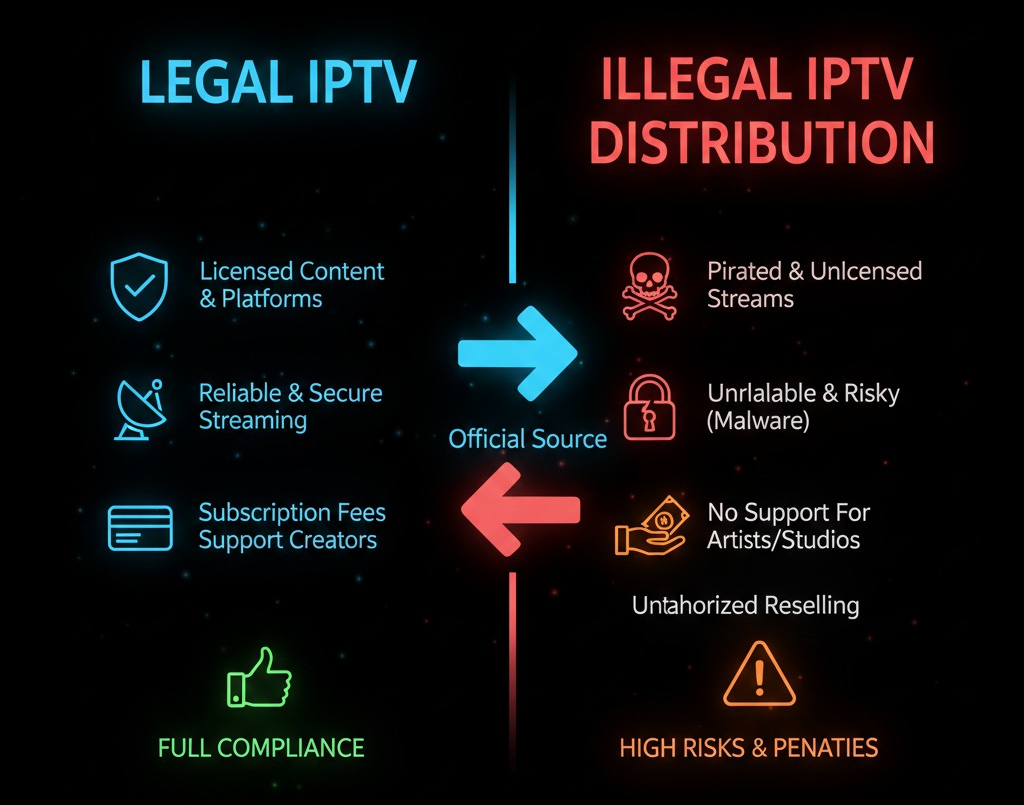
Legal IPTV vs Illegal IPTV
Understanding this distinction is essential.
Illegal IPTV Services
Offer thousands of premium channels cheaply
Lack licensing transparency
Frequently change domains
Risk sudden shutdowns
Low prices are often a warning sign.
Legal IPTV Services
Have official licenses
Pay content owners
Operate transparently
Provide customer support
Examples include recognized streaming platforms.
How Copyright Enforcement Works
Governments and media companies use several methods to fight illegal IPTV operations.
1. Website Blocking
Internet providers may block access to illegal streaming websites.
2. Server Seizures
Authorities shut down hosting servers distributing copyrighted content.
3. Financial Tracking
Payment processors monitor suspicious subscription services.
4. Legal Prosecution
Operators and sometimes resellers face criminal charges.
Are IPTV Users Illegal?
This depends on jurisdiction and how IPTV is used.
Generally Legal:
Watching licensed IPTV platforms
Using IPTV players or apps
Streaming free public channels
Potentially Illegal:
Accessing pirated premium content
Using unauthorized subscription services
Sharing copyrighted streams publicly
Many countries now target distributors more aggressively than viewers, but user liability still exists.
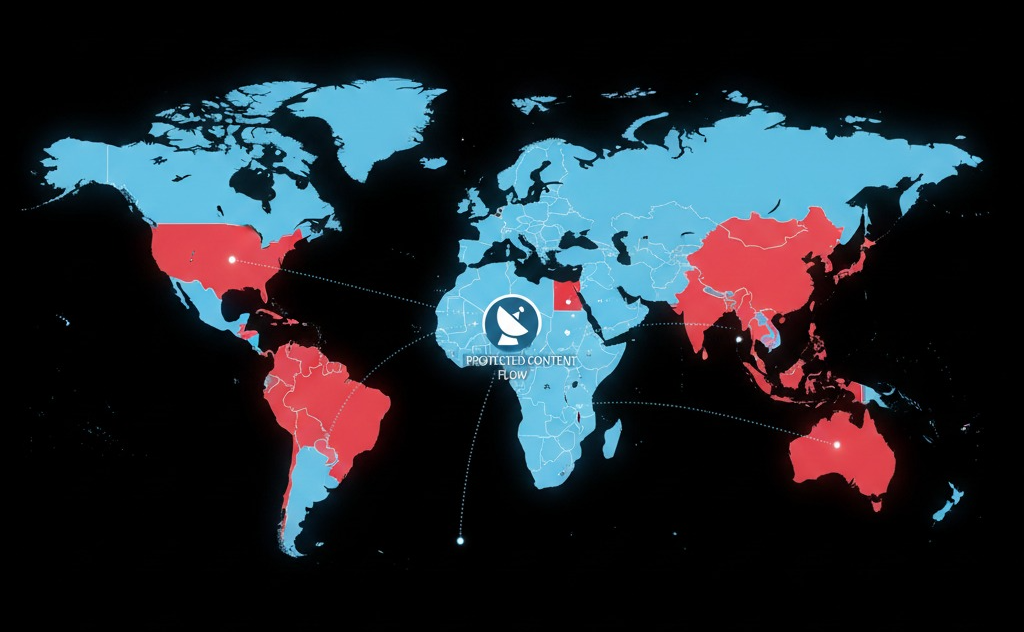
Copyright Laws by Region
United States
Strict copyright enforcement includes heavy fines and criminal prosecution under anti-piracy laws.
European Union
EU directives allow coordinated blocking of illegal IPTV networks across member countries.
United Kingdom
Courts actively prosecute IPTV sellers and distributors.
Canada & Australia
Authorities increasingly monitor illegal streaming activity.
Penalties for IPTV Copyright Violations
Consequences vary but may include:
Financial fines
Account suspension
ISP warnings
Device confiscation
Criminal prosecution (for sellers)
Operators of illegal IPTV platforms face the highest penalties.
Role of IPTV Apps and Devices
Important clarification:
IPTV apps and Android TV boxes are legal tools.
Legality depends on content sources, not hardware or software itself.
Examples of legal uses:
Streaming licensed services
Watching free-to-air broadcasts
Personal media streaming
How Authorities Detect Illegal IPTV
Modern anti-piracy systems use advanced monitoring.
Methods include:
Traffic pattern analysis
Payment tracing
Watermark tracking
Undercover subscriptions
Technology companies cooperate with copyright holders to identify illegal networks.
Risks of Using Illegal IPTV Services
Beyond legal risks, users may face:
Security Threats
Malware infections
Data theft
Spyware
Financial Risks
Subscription scams
Sudden service shutdown
Privacy Issues
Unsecured apps may collect personal information.
How to Use IPTV Legally
Follow these best practices:
Choose licensed providers.
Avoid extremely cheap subscriptions.
Verify company legitimacy.
Read terms of service.
Use official apps from trusted stores.
Common Misconceptions About IPTV Copyright
Myth 1: IPTV is always illegal
False — technology is legal.
Myth 2: Only sellers get punished
Incorrect — users may also face consequences depending on laws.
Myth 3: VPN makes streaming legal
VPNs protect privacy but do not legalize copyright violations.
Impact of Illegal IPTV on Media Industry
Piracy affects:
Film studios
Sports leagues
Broadcasters
Independent creators
Revenue losses reduce investments in new content production.
Future of IPTV Copyright Regulation
Experts expect stronger enforcement through:
AI piracy detection
Global cooperation between governments
Faster website blocking systems
Blockchain licensing solutions
Legal streaming platforms continue expanding affordable options to reduce piracy demand.
Ethical Streaming and User Responsibility
Consumers play a role in protecting creative industries. Supporting legal platforms ensures creators, athletes, filmmakers, and broadcasters receive fair compensation for their work.
Choosing legal IPTV options also guarantees better streaming quality, stability, and customer protection.
Conclusion
IPTV copyright law focuses not on banning technology but on protecting intellectual property rights. IPTV itself is legal and innovative, but unauthorized distribution of copyrighted content creates serious legal and ethical problems.
Understanding licensing, choosing trusted providers, and staying informed about regulations allows users to enjoy IPTV safely and responsibly. As enforcement continues increasing worldwide, legal streaming will remain the safest and most reliable option.
Always verify IPTV services before subscribing and prioritize licensed platforms to enjoy streaming without legal risks.