
Discover the advantages and disadvantages of IPTV, including cost, quality, legality, flexibility, risks, and whether IPTV is right for you.
Introduction
Internet Protocol Television (IPTV) has rapidly transformed the way people consume television and digital entertainment. Instead of relying on traditional cable or satellite systems, IPTV delivers television content over an internet connection. This modern approach allows users to stream live TV, movies, series, and on-demand content on a wide range of devices.
With the growing availability of high-speed internet and smart devices, IPTV has become increasingly popular worldwide. However, while IPTV offers many benefits, it also comes with certain drawbacks that users should carefully consider before choosing a service.
This professional and in-depth article explores the advantages and disadvantages of IPTV in detail. It is designed to help readers understand how IPTV works, what makes it attractive, and what potential risks or limitations it may involve. By the end of this guide, you will be able to decide whether IPTV is the right choice for your entertainment needs.
What Is IPTV?
IPTV stands for Internet Protocol Television. It is a system where television services are delivered using the internet instead of traditional broadcast methods such as cable, satellite, or terrestrial signals.
IPTV allows users to watch:
- Live television channels
- Video on Demand (VOD)
- Catch-up TV and time-shifted programs
Unlike traditional TV, IPTV gives viewers more control over what they watch and when they watch it.
How IPTV Works
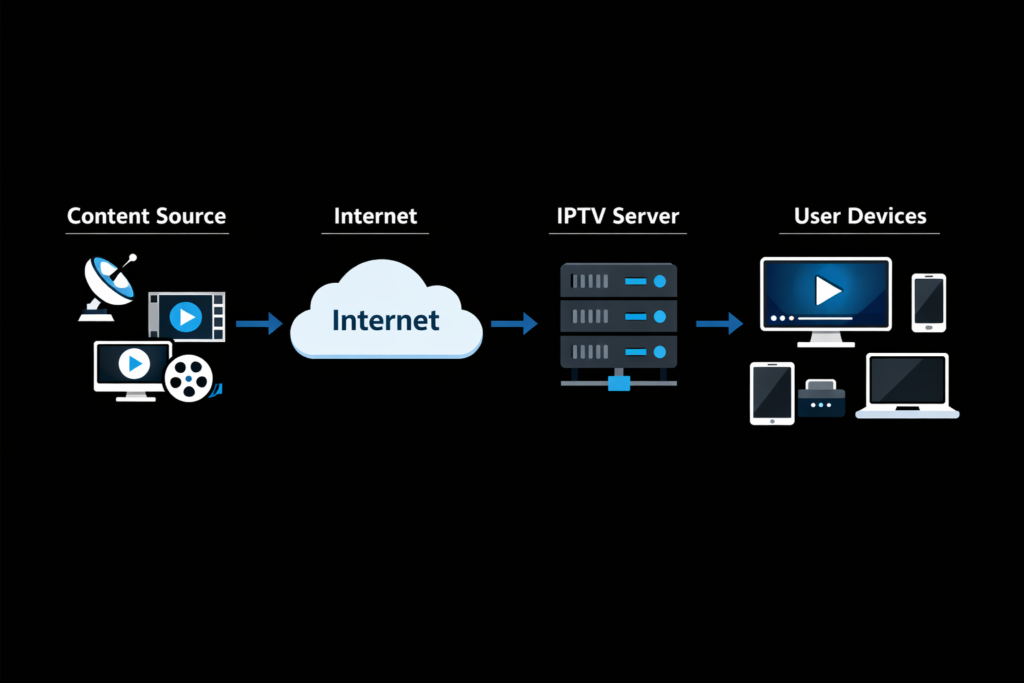
IPTV works by transmitting television signals as digital data packets over an internet connection. These packets are delivered to an IPTV server, processed, and then streamed to the user’s device in real time or on demand.
Key components of IPTV include:
- Content providers
- IPTV servers
- Internet service provider (ISP)
- User devices (Smart TV, smartphone, tablet, laptop)
This system allows IPTV services to offer flexible and interactive viewing experiences.
Types of IPTV Services
1. Live IPTV
Live IPTV allows users to watch television channels in real time, including news, sports, and entertainment channels.
2. Video on Demand (VOD)
VOD allows users to select and watch movies or TV shows whenever they want, without following a broadcast schedule.
3. Catch-Up TV
Catch-up TV allows users to watch programs that were broadcast earlier, usually within a limited time window.
Advantages of IPTV
1. Wide Range of Content
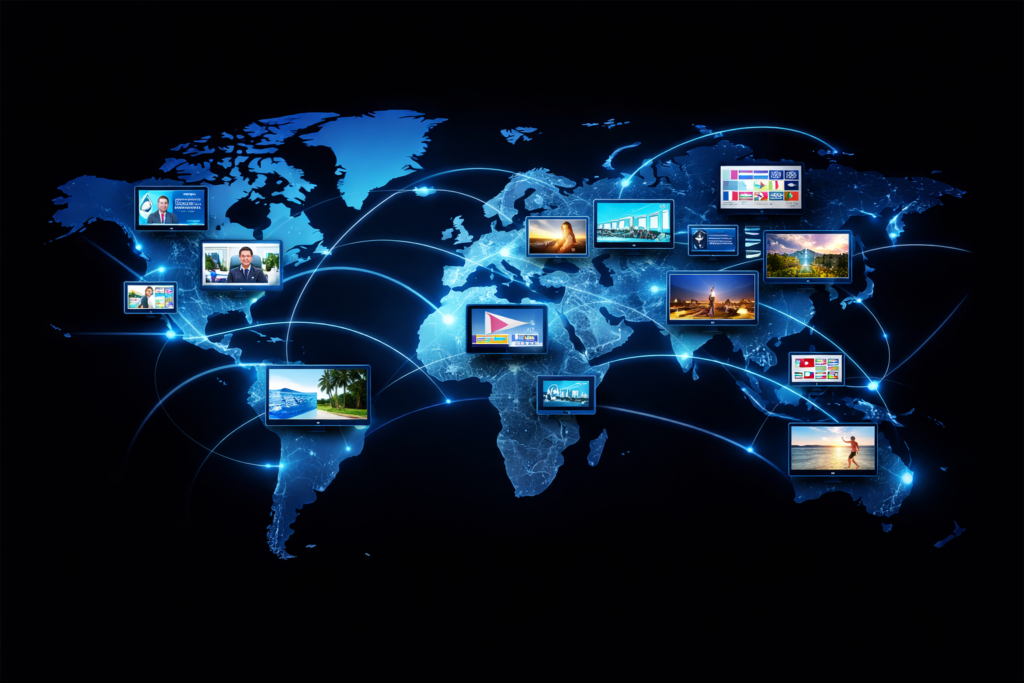
One of the biggest advantages of IPTV is access to a vast library of content. IPTV services often provide thousands of live TV channels from different countries, as well as movies, TV series, documentaries, and sports content.
Users can enjoy international channels that are not available through traditional cable providers.
2. On-Demand Viewing Flexibility
IPTV allows users to watch content whenever they want. With Video on Demand and catch-up TV features, viewers are no longer restricted by fixed broadcast schedules.
This flexibility is especially useful for busy users who want full control over their viewing experience.
3. Cost-Effective Entertainment
Compared to traditional cable or satellite TV subscriptions, IPTV services are often more affordable. Many IPTV providers offer flexible subscription plans that allow users to pay only for what they need.
This makes IPTV an attractive option for budget-conscious users.
4. Multi-Device Compatibility
IPTV services can be accessed on multiple devices, including:
- Smart TVs
- Android TV boxes
- Smartphones
- Tablets
- Laptops and desktop computers
This allows users to watch content anytime and anywhere with an internet connection.
5. High-Quality Streaming
Many IPTV providers offer HD and even 4K streaming quality, provided the user has a stable and fast internet connection.
Advanced compression technologies help deliver high-quality video with minimal buffering.
6. Interactive Features
IPTV offers interactive features that traditional TV cannot provide, such as:
- Pause, rewind, and fast-forward live TV
- Personalized playlists
- Content recommendations
- Electronic Program Guides (EPG)
These features enhance the overall viewing experience.
7. Customizable Channel Packages
Unlike traditional cable TV, IPTV allows users to choose customized channel packages based on their interests.
This reduces unnecessary costs and improves user satisfaction.
Disadvantages of IPTV
1. Dependence on Internet Connection
One of the main disadvantages of IPTV is its reliance on a stable internet connection. Poor internet speed or network congestion can result in buffering, lag, or service interruptions.
Users in areas with slow or unreliable internet may experience performance issues.
2. Legal and Copyright Issues
Not all IPTV services operate legally. Some IPTV providers distribute copyrighted content without proper licenses, which can expose users to legal risks.
Choosing an illegal IPTV service may result in fines or legal warnings in some countries.
3. Security and Privacy Risks
Illegal or unverified IPTV apps may contain malware, spyware, or malicious code. These risks can compromise personal data, including login credentials and payment information.
Users should always install IPTV apps from trusted sources.
4. Inconsistent Service Quality
Some IPTV providers suffer from unstable servers, resulting in frequent downtime, channel outages, or poor video quality during peak hours.
This can be frustrating, especially during live sports events.
5. Limited Customer Support
Many IPTV services, especially unofficial ones, provide little to no customer support. If the service stops working, users may have no way to get help or refunds.
6. Technical Setup Challenges
For beginners, setting up IPTV can be confusing. Users may need to:
- Install specific apps
- Configure playlists (M3U URLs)
- Set up EPG data
This technical complexity may discourage non-technical users.
7. Potential ISP Restrictions
Some internet service providers may throttle or block IPTV traffic, especially if it involves unlicensed content. This can affect streaming performance.
Using IPTV responsibly and legally helps reduce this risk.
IPTV vs Traditional Cable TV
Cost Comparison
IPTV is generally cheaper and offers more flexible pricing compared to cable TV.
Content Variety
IPTV offers a wider range of international and on-demand content.
Flexibility
IPTV allows viewing on multiple devices, while cable TV is usually limited to a fixed location.
Reliability
Cable TV may be more stable in areas with poor internet infrastructure.
Who Should Use IPTV?
IPTV is ideal for:
- Users with fast and stable internet
- People who want on-demand content
- International viewers
- Cord-cutters looking to replace cable TV
You can find out how IPTV works and see instructions and tips click here.
Who Should Avoid IPTV?
IPTV may not be suitable for:
- Users with slow internet connections
- People uncomfortable with technical setups
- Those concerned about legal compliance
How to Choose a Reliable IPTV Service
Check Legality
Ensure the provider has proper licensing.
Read Reviews
Look for genuine user reviews and feedback.
Test Free Trials
Choose services that offer trial periods.
Verify Customer Support
Reliable IPTV providers offer responsive customer support.
The Future of IPTV
The IPTV market is expected to grow as internet infrastructure improves worldwide. Future developments may include:
- AI-based content recommendations
- Improved streaming compression
- Better integration with smart home devices
Legal IPTV services are likely to dominate as regulations become stricter.
Frequently Asked Questions (FAQ)
Is IPTV better than cable TV?
It depends on your internet quality and viewing preferences.
Is IPTV legal?
IPTV is legal if the provider has proper content licenses.
Does IPTV require fast internet?
Yes, especially for HD and 4K streaming.
Can IPTV replace cable TV?
For many users, IPTV can fully replace traditional cable services.
Conclusion
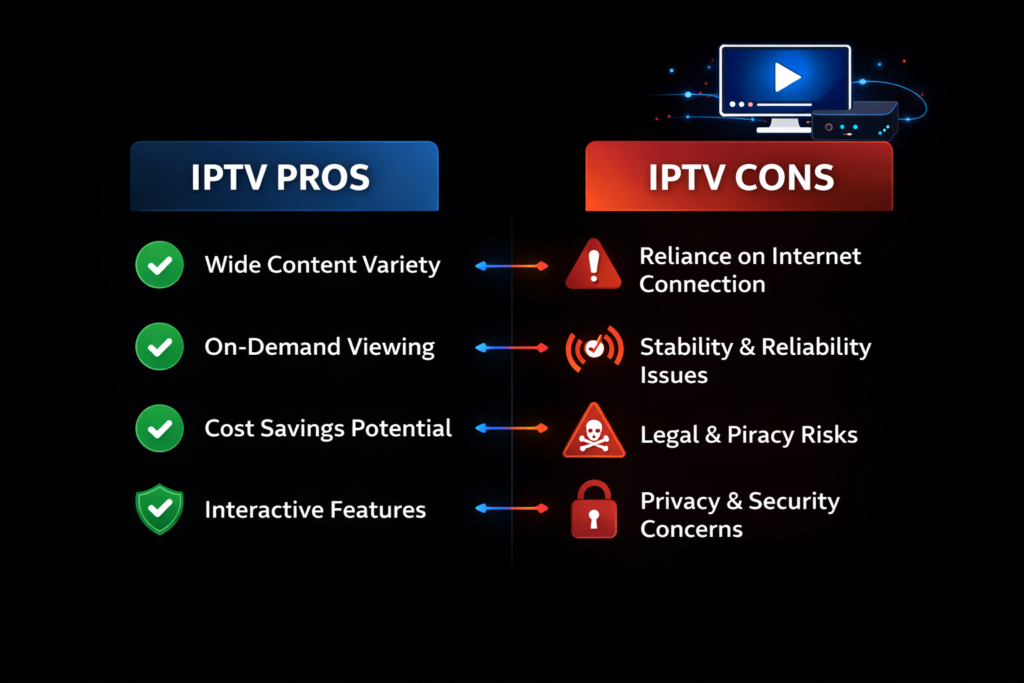
IPTV offers a modern and flexible way to consume television content. Its advantages include cost savings, content variety, and on-demand viewing. However, IPTV also has disadvantages such as internet dependency, legal concerns, and potential security risks.
By understanding both the advantages and disadvantages of IPTV, users can make informed decisions and choose services that meet their needs while avoiding unnecessary risks.
If you value flexibility, variety, and modern viewing experiences, IPTV can be an excellent choice when used responsibly and legally.

One Response