
IPTV Crackdown 2026: Are Users at Risk After the $21M DMTN IPTV Lawsuit
Is IPTV illegal in 2026? Learn about the DMTN IPTV lawsuit, global anti-piracy actions, legal risks, and how to safely choose IPTV services.
Introduction
Internet Protocol Television (IPTV) has transformed how people watch television. Instead of relying on traditional cable or satellite services, viewers can now stream live channels, movies, and sports directly through internet connections. Over the last decade, IPTV has grown rapidly because it offers affordability, flexibility, and access to international content.
However, as IPTV usage expanded worldwide, governments, broadcasters, and copyright organizations began raising serious concerns about piracy. By 2026, IPTV is no longer just a technological trend — it has become a major legal battlefield.
The recent DMTN IPTV lawsuit and similar enforcement actions across Europe, North America, and Asia show that authorities are intensifying efforts against illegal streaming networks. Millions of users now wonder whether IPTV itself is illegal or if only certain providers are targeted.
This article explains everything clearly: what IPTV is, why lawsuits are increasing, how global crackdowns work, what risks users face, and how to legally stream content in 2026.
What Is IPTV and How Does It Work?
IPTV stands for Internet Protocol Television. Unlike traditional broadcasting, IPTV delivers television content through internet data packets instead of satellite signals or cable infrastructure.
Main Types of IPTV Services
Live TV Streaming – Real-time broadcasting of channels.
Video on Demand (VOD) – Movies and shows available anytime.
Time-Shifted Media – Replay programs after broadcasting.
Legal IPTV platforms operate similarly to streaming services but require licensing agreements with content owners.
Illegal IPTV providers, however, retransmit copyrighted channels without permission — usually at extremely low subscription prices.
Why IPTV Became So Popular Worldwide
Several factors explain IPTV’s explosive growth:
Rising cable subscription costs
Global demand for sports content
Smart TV adoption
Faster internet speeds
Multi-device streaming convenience
Consumers increasingly prefer flexible viewing rather than fixed TV schedules.
Unfortunately, piracy networks exploited this demand by offering thousands of premium channels for a fraction of legal prices.
Legal IPTV vs Illegal IPTV: The Key Difference
IPTV technology itself is not illegal.
The legality depends entirely on licensing.
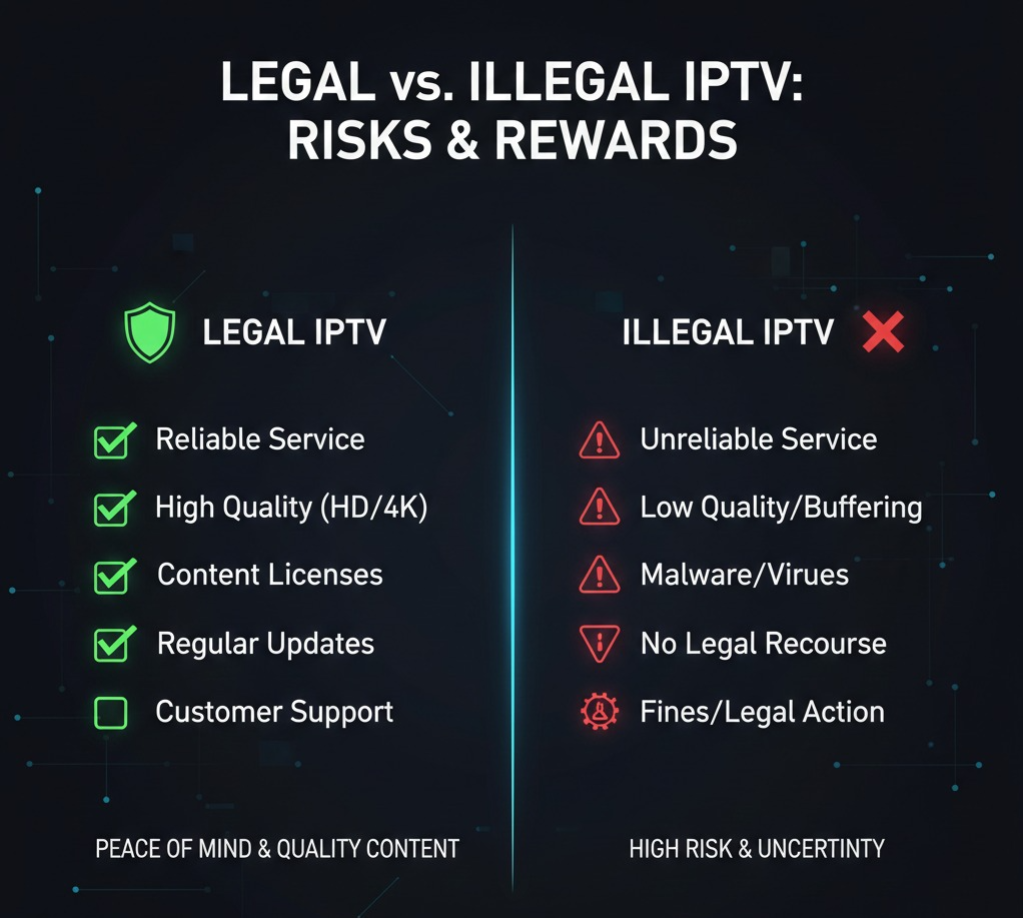
Legal IPTV Providers
Pay broadcasting rights
Operate transparently
Available in official app stores
Provide customer support
Illegal IPTV Providers
Stream copyrighted content without authorization
Often disappear suddenly
Use unofficial payment systems
Offer unrealistic channel packages
A simple rule: if a service offers thousands of premium channels for a very small monthly fee, it is likely illegal.
The DMTN IPTV Lawsuit Explained
The DMTN IPTV case became one of the most discussed anti-piracy legal actions entering 2026.
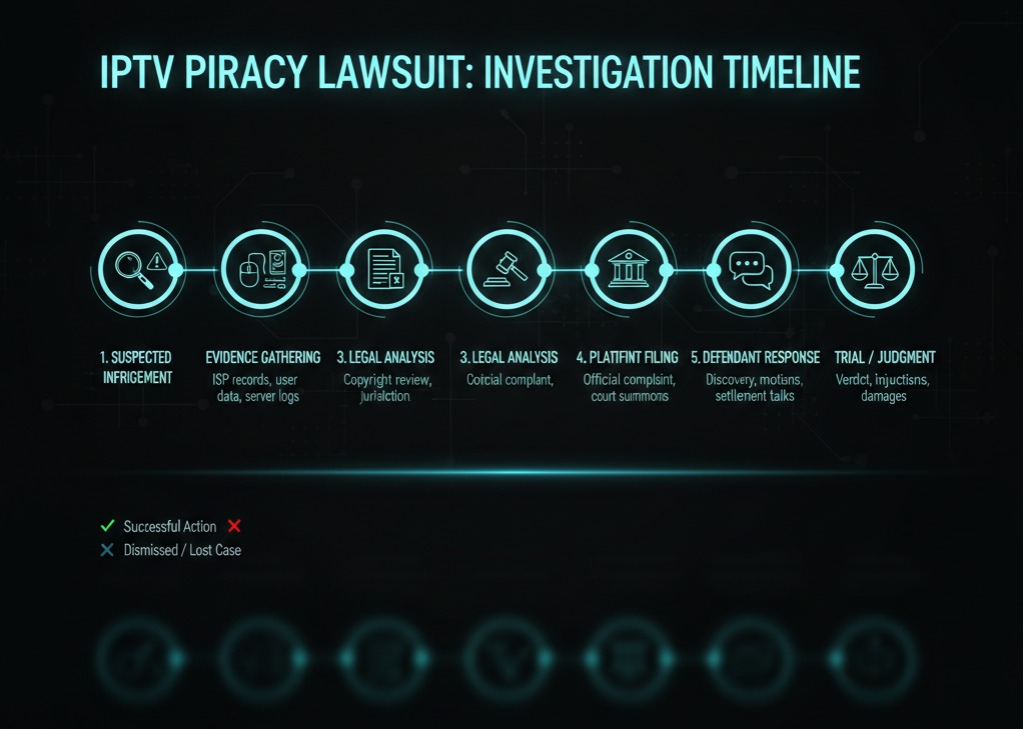
Authorities alleged that the platform distributed copyrighted sports broadcasts, movies, and premium channels globally without licenses. Investigations involved international cooperation between copyright enforcement agencies and cybersecurity units.
Key Allegations
Unauthorized retransmission of paid channels
Large-scale subscription distribution
Financial profits generated from piracy
Use of reseller networks worldwide
The lawsuit demonstrated how modern IPTV piracy operates like an organized digital business rather than small individual activity.
Why Governments Are Cracking Down Harder in 2026
Several major developments triggered stricter enforcement:
1. Massive Revenue Losses
Broadcasters claim billions of dollars are lost annually due to illegal IPTV subscriptions.
2. Sports Broadcasting Rights
Live sports rights cost networks enormous amounts. Piracy directly impacts profits.
3. Cybersecurity Risks
Illegal IPTV services often expose users to malware or data theft.
4. International Cooperation
Countries now share enforcement data, making shutdowns faster and more coordinated.
Regions Leading the Global IPTV Crackdown
Europe
European authorities have conducted coordinated raids targeting IPTV servers and resellers.
United States
Copyright enforcement agencies increased lawsuits against operators and hosting providers.
Middle East & North Africa
Regional broadcasters are investing heavily in anti-piracy technology.
Asia
Governments are blocking illegal IPTV domains at ISP levels.
Is Watching IPTV Illegal for Users?
This is the most common question.
The answer varies by country.
In Many Countries:
Operating illegal IPTV services = criminal offense
Selling subscriptions = serious legal risk
Using illegal IPTV = may result in fines or warnings
Some governments now target users through ISP monitoring and payment tracking.
However, enforcement against users differs widely depending on local law. Click Here
Risks of Using Illegal IPTV Services
Even beyond legal problems, users face multiple dangers.
Security Risks
Malware infections
Data tracking
Stolen payment information
Service Risks
Sudden shutdowns
No refunds
Poor streaming quality
Legal Risks
Warning letters
Internet suspension
Financial penalties
How Authorities Detect Illegal IPTV Networks
Modern investigations use advanced techniques:
Traffic monitoring
Payment tracing
Server analysis
Undercover subscriptions
Digital watermark tracking
Content owners embed invisible watermarks into streams, allowing investigators to trace illegal redistribution sources.
The Role of Internet Providers (ISPs)
Internet Service Providers are increasingly involved in enforcement.
Common actions include:
Blocking IPTV domains
Sending warning notices
Limiting access to piracy servers
Some countries legally require ISPs to cooperate with copyright enforcement agencies.
Why Cheap IPTV Subscriptions Are a Red Flag
Illegal IPTV marketing usually promises:
Thousands of channels
Premium sports access
Lifetime subscriptions
Extremely low prices
Legal broadcasting rights alone make such pricing impossible.
If the deal looks too good to be true, it usually is.
How to Identify Legal IPTV Services
Before subscribing, check: Click Here
Official website transparency
Company registration details
Availability on app stores
Licensed partnerships
Secure payment methods
Trusted providers clearly display licensing information.
Impact on IPTV Resellers
Resellers are increasingly targeted in legal actions.
Many individuals unknowingly sell illegal IPTV subscriptions through social media or messaging apps. Authorities now consider reselling a major distribution channel.
Penalties may include fines or criminal prosecution depending on jurisdiction.
The Future of IPTV After 2026
The IPTV industry is not disappearing — it is evolving.
Expected trends:
Stronger licensing enforcement
AI piracy detection
Faster shutdown operations
Growth of affordable legal streaming bundles
Legal IPTV platforms are becoming more competitive to attract users away from piracy.
Legal Alternatives to Illegal IPTV
Consumers now have many legitimate options:
Official streaming platforms
Sports-specific subscriptions
Regional broadcaster apps
Hybrid TV packages
Competition among legal services is lowering prices and improving accessibility.
Frequently Asked Questions
Is IPTV illegal everywhere?
No. IPTV technology is legal. Only unlicensed services are illegal.
Can users go to jail?
Rare but possible in some jurisdictions, especially for resellers.
Are free IPTV apps safe?
Many are not. Some contain malware or unauthorized streams.
Conclusion
In 2026, IPTV itself remains a legitimate technology, but illegal streaming networks face unprecedented global pressure. The DMTN IPTV lawsuit represents a broader shift toward stricter enforcement and international cooperation against piracy.
For users, the safest approach is simple: choose licensed services, avoid suspiciously cheap subscriptions, and stay informed about local regulations. As legal streaming options continue expanding, consumers no longer need to rely on risky alternatives.
Understanding the difference between legal innovation and copyright violation is essential in today’s digital entertainment landscape.