

Explore IPTV legal issues, copyright risks, and regulations. Learn how to stay compliant and avoid penalties in streaming services.
Introduction
Internet Protocol Television (IPTV) has revolutionized the way we consume content. With the ability to stream live TV and on-demand videos over the internet, millions of users have embraced this technology. However, alongside its convenience, IPTV brings a host of legal challenges. From copyright violations to regulatory compliance, understanding the legal landscape is critical for both providers and users.
1. What is IPTV?
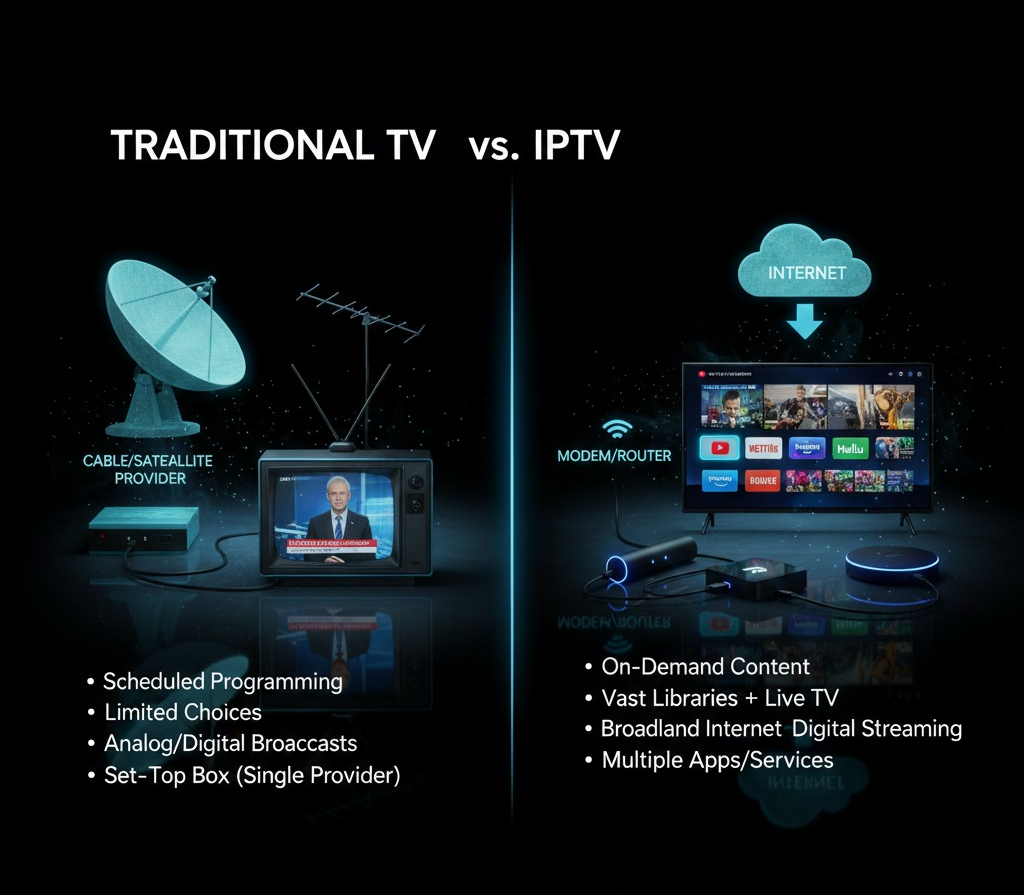
IPTV delivers television content via internet protocols rather than traditional satellite or cable. Unlike streaming services like Netflix or Hulu, IPTV often provides live broadcasts of channels from around the world. It can be categorized into:
- Live Television – Streaming of live broadcasts in real-time.
- Time-Shifted Media – Allows viewers to watch previously aired programs at their convenience.
- Video on Demand (VOD) – Users can access a library of content whenever they want.
2. The Popularity of IPTV
IPTV has grown due to its flexibility and lower costs compared to cable subscriptions. With devices like smart TVs, set-top boxes, and smartphones, users can access hundreds of channels worldwide. IPTV also offers features like multi-device streaming and interactive services.
However, the rise of IPTV has also led to unauthorized streaming, which introduces serious legal concerns.
3. Common IPTV Legal Issues
3.1 Copyright Infringement
One of the most pressing legal issues is copyright infringement. Many IPTV services operate without proper licenses for the content they provide. Streaming copyrighted content without permission is illegal in most countries and can result in:
- Lawsuits from content creators or distributors.
- Heavy fines and damages.
- Seizure of streaming servers or assets.

3.2 Licensing and Agreements
IPTV providers must secure licensing agreements with content owners. These agreements specify:
- Territory restrictions
- Duration of broadcasting rights
- Revenue sharing
Failing to comply with licensing rules can trigger penalties and legal disputes.
3.3 Geo-Blocking and Regional Laws
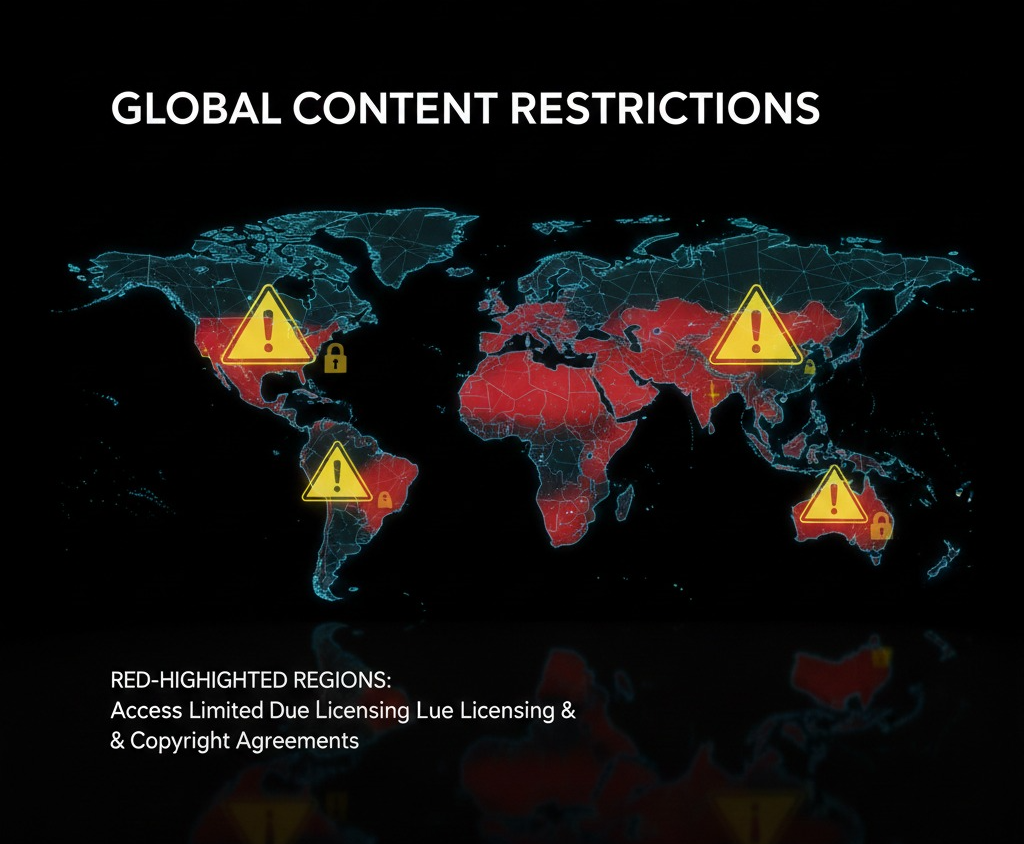
Many content providers restrict access based on geographic regions. IPTV services that bypass geo-blocking may violate international copyright laws. Users and providers must be aware of:
- Local broadcasting laws
- International copyright treaties
- Potential civil or criminal liabilities
3.4 Consumer Protection
IPTV platforms are also subject to consumer protection laws. Issues include:
- Misleading advertisements
- Hidden subscription fees
- Poor content delivery quality
Regulators can impose fines or revoke licenses if providers fail to maintain transparency.
4. Legal Risks for IPTV Users
Many users believe that using IPTV services is risk-free. However, individuals can face consequences, including:
- Lawsuits for streaming pirated content
- Internet service provider (ISP) warnings or throttling
- Malware risks from illegal IPTV apps

5. How to Legally Use IPTV
5.1 Choose Licensed Providers
Always select IPTV providers that have proper content licenses. Legal services ensure safe, reliable access to media without risking copyright violations.
5.2 Avoid Free Pirated Apps
Free IPTV apps often offer premium channels illegally. Using these apps exposes users to malware and legal action.
5.3 Read Terms and Conditions
Many IPTV services have detailed terms that explain content usage rights. Understanding them can prevent accidental violations.
6. Regulatory Landscape by Region
6.1 United States
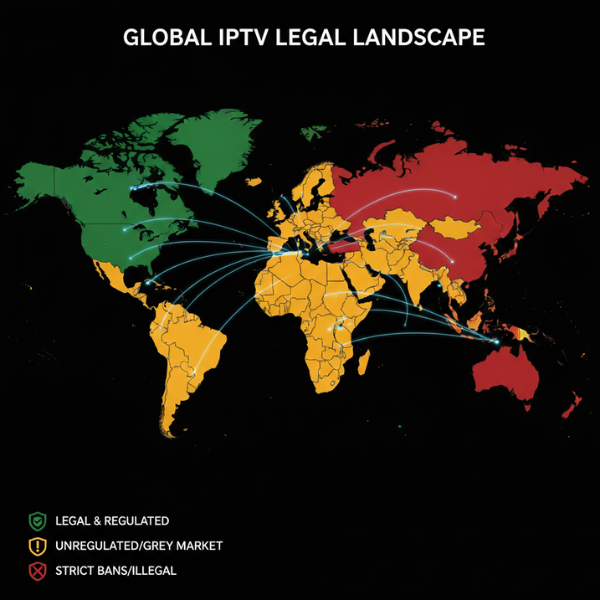
The Federal Communications Commission (FCC) regulates IPTV services. Copyright infringement is enforced through the Digital Millennium Copyright Act (DMCA).
6.2 Europe
The European Union enforces copyright laws and broadcasting regulations. Countries like Germany and France actively pursue illegal IPTV providers.
6.3 Asia
Asia has a mixed regulatory approach. Some countries strictly enforce copyright, while others lack clear IPTV laws.
7. Enforcement Actions Against Illegal IPTV
Authorities worldwide have taken aggressive actions against unlicensed IPTV services, including:
- Server shutdowns
- Criminal charges against providers
- International cooperation for piracy prevention
For example, in 2022, several illegal IPTV services in Europe were shut down after legal interventions.
8. Challenges in Regulating IPTV
IPTV regulation faces several challenges:
- Cross-border services: Many providers operate internationally, complicating enforcement.
- Rapid technology changes: New apps and protocols emerge faster than laws can adapt.
- Anonymity and VPN use: Users often bypass geo-blocks, making detection difficult.
9. Best Practices for IPTV Providers
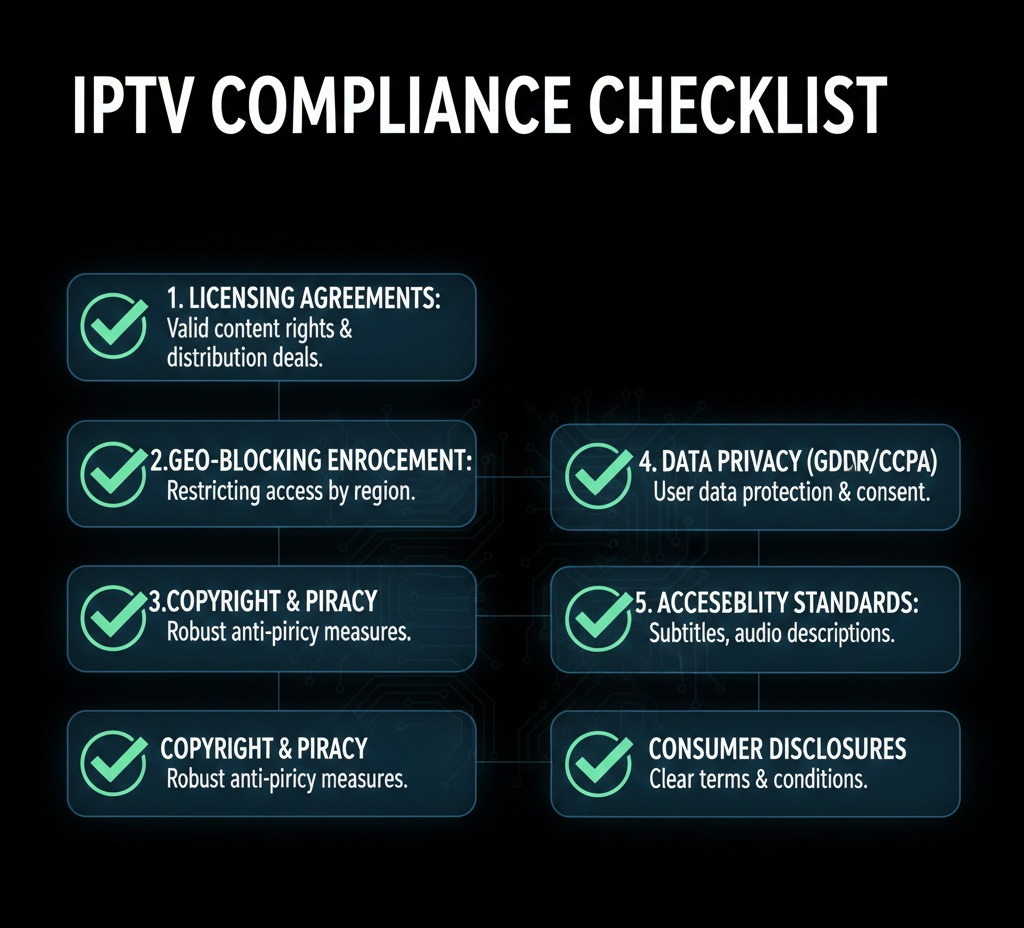
- Obtain proper licenses for all content.
- Clearly state subscription terms and fees.
- Implement anti-piracy measures.
- Comply with regional broadcasting and consumer laws.
These practices reduce legal risk and build consumer trust.
10. Future Trends in IPTV Legal Compliance
- Blockchain for content rights: Ensuring transparent licensing.
- AI monitoring: Detecting pirated streams automatically.
- Global copyright cooperation: Governments sharing data to combat illegal IPTV.
Providers and users must stay informed as laws evolve to ensure compliance.
Conclusion
IPTV offers an unprecedented level of entertainment flexibility, but it comes with serious legal responsibilities. Both users and providers must understand copyright laws, licensing agreements, and regulatory compliance to avoid fines, lawsuits, and security risks.
By choosing licensed providers, staying informed, and respecting intellectual property, everyone can enjoy IPTV safely and legally.

One Response