
Is IPTV legal in the USA? Learn the laws, risks, legal IPTV services, and how to avoid illegal streaming in this complete guide.
Introduction
Internet Protocol Television (IPTV) has changed the way people watch television. Instead of relying on traditional cable or satellite services, IPTV allows users to stream live TV channels, movies, and on‑demand content through the internet. In the United States, IPTV has become increasingly popular because of its affordability, flexibility, and wide range of available content.
However, with popularity comes confusion. Many people ask the same important question: Is IPTV legal in the USA? The short answer is: it depends. IPTV itself is not illegal, but some IPTV services operate illegally. Understanding the difference is critical if you want to avoid legal trouble, security risks, or wasting money on unreliable services.
In this professional, in‑depth guide, we will explain IPTV in simple terms, explore US copyright and streaming laws, clarify what makes an IPTV service legal or illegal, and help you choose safe and legitimate options. This article is designed for beginners, cord‑cutters, and anyone researching IPTV from a legal and business perspective.
What Is IPTV?
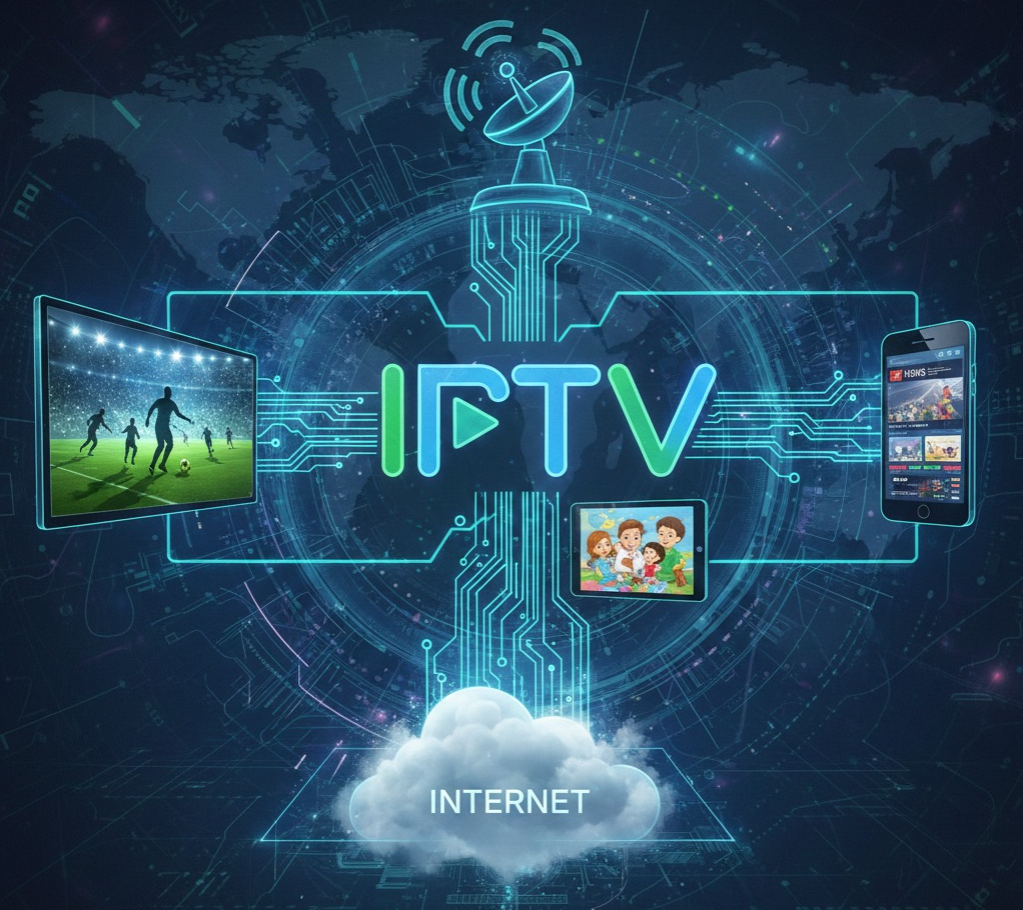
IPTV stands for Internet Protocol Television. It delivers television content through internet connections rather than traditional broadcast methods such as cable, satellite, or antenna.
How IPTV Works
IPTV works by transmitting video content as data packets over the internet. Instead of tuning into a broadcast signal, users stream content on demand or in real time using apps, set‑top boxes, smart TVs, or mobile devices.
There are three main types of IPTV services:
- Live TV – Streaming television channels in real time, similar to cable TV.
- Video on Demand (VOD) – Access to movies and TV shows that can be watched anytime.
- Time‑Shifted Media – Catch‑up TV or replaying shows that already aired.
IPTV technology itself is neutral and widely used by legal companies. The legal issue arises from how the content is licensed and distributed.
Is IPTV Legal in the USA?
Yes, IPTV is legal in the USA, but only when the service has proper licensing agreements with content owners. The legality does not depend on the technology, but on whether the provider has the legal right to distribute the content.
The Key Legal Principle
In the United States, TV channels, movies, and shows are protected by copyright law. Any service that streams this content must have permission from the copyright holders. IPTV services that pay for licenses and follow regulations are legal. Services that stream copyrighted content without authorization are illegal.
So, when asking whether IPTV is legal, the real question is:
Does the IPTV provider have legal rights to broadcast the content?
Understanding US Copyright and Streaming Laws
To understand IPTV legality, it’s important to know the basics of US copyright law.
Copyright Law in the United States
US copyright law protects original works, including:
- Television programs
- Movies
- Sports broadcasts
- Pay‑per‑view events
Only the copyright owner or licensed distributors can legally broadcast or stream this content.
Relevant Laws and Regulations
Some important legal frameworks include:
- Copyright Act of 1976 – The foundation of US copyright law.
- Digital Millennium Copyright Act (DMCA) – Addresses digital content distribution and online copyright infringement.
- Federal Communications Commission (FCC) regulations – Apply to licensed broadcasters and cable providers.
IPTV services that ignore these laws are operating illegally, even if they appear professional or widely advertised.
In the United States, television programs, movies, and live broadcasts are protected by federal copyright laws enforced by the U.S. Copyright Office, which regulates how copyrighted content can be distributed and used legally.
Legal IPTV Services in the USA
Many IPTV services operate legally in the United States. These companies have official agreements with content providers and follow US laws.
Examples of Legal IPTV Services
Legal IPTV services often include:
- Live TV streaming platforms
- Cable‑replacement services
- Network‑owned streaming apps
Common characteristics of legal IPTV providers:
- Transparent pricing
- Clear terms of service
- Official apps on app stores
- Customer support and company information
Why Legal IPTV Costs More
Legal IPTV services usually cost more than illegal ones because they:
- Pay licensing fees
- Invest in infrastructure
- Follow consumer protection laws
While legal IPTV may seem more expensive, it offers reliability, better quality, and peace of mind.
Illegal IPTV Services: What Makes Them Illegal?
Illegal IPTV services stream copyrighted content without authorization. These services often advertise thousands of channels and premium content at extremely low prices.
Common Signs of Illegal IPTV
Here are some red flags:
- Hundreds or thousands of premium channels for a very low fee
- Free access to paid sports and pay‑per‑view events
- No company address or legal information
- Payment via cryptocurrency or untraceable methods
- No presence on official app stores
If a deal seems too good to be true, it usually is.
Is Using Illegal IPTV a Crime in the USA?
This is a common concern among users.
For IPTV Providers
Operating an illegal IPTV service is a serious crime in the United States. Providers can face:
- Heavy fines
- Lawsuits from copyright holders
- Prison sentences
For IPTV Users
For users, the legal risk is generally lower, but not zero. Possible consequences include:
- ISP warnings or service termination
- Legal notices
- Fines in serious cases
While enforcement often targets providers, users are still responsible for knowingly accessing illegal content.
Risks of Using Illegal IPTV Services
Beyond legality, illegal IPTV services carry significant risks.
Security and Privacy Risks
- Malware and spyware
- Data theft
- Credit card fraud
Reliability Issues
- Frequent buffering
- Channels disappearing
- Services shutting down without notice
No Consumer Protection
Illegal IPTV services offer no refunds, guarantees, or customer support.

How to Tell If an IPTV Service Is Legal
Before subscribing, ask yourself the following questions:
- Is the service transparent about licensing?
- Is it available on official app stores?
- Does it list a real company and contact details?
- Are prices realistic?
If the answer to most of these is no, the service is likely illegal.
IPTV and VPNs: Legal Considerations
Many IPTV users ask about using VPNs.
Are VPNs Legal in the USA?
Yes, VPNs are legal in the United States. However, using a VPN does not make illegal IPTV legal.
Why People Use VPNs with IPTV
- Privacy protection
- Prevent ISP throttling
- Secure public Wi‑Fi connections
Using a VPN to hide illegal activity does not remove legal responsibility
IPTV for Businesses and Resellers
Businesses must be especially careful with IPTV.
Commercial Use
Streaming content in public places (bars, restaurants, hotels) requires special commercial licenses. Personal IPTV subscriptions are not valid for commercial use.
IPTV Reselling
Reselling IPTV without proper licensing is illegal and heavily penalized.
The Future of IPTV Legality in the USA
As streaming grows, enforcement is increasing. Government agencies and copyright holders are investing more resources into shutting down illegal IPTV networks.
At the same time, legal IPTV options continue to expand, offering better quality and competitive pricing.
Frequently Asked Questions (FAQ)
Is free IPTV legal in the USA?
Free IPTV is legal only if the content is legally licensed or in the public domain.
Can I go to jail for using IPTV?
Users rarely face jail time, but providers and resellers can.
Is IPTV better than cable?
Legal IPTV can be cheaper and more flexible than cable, depending on your needs.
Conclusion
So, is IPTV legal in the USA? Yes, IPTV as a technology is completely legal. The legality depends entirely on whether the service has the proper rights to distribute content.
Legal IPTV services offer a safe, high‑quality, and reliable viewing experience. Illegal IPTV services may seem attractive due to low prices, but they come with serious legal, financial, and security risks.
If you want peace of mind, always choose licensed IPTV providers, read the terms carefully, and avoid deals that seem too good to be true.


4 Responses